Relocating a factory involves much more than transporting machinery from one site to another. It is a detailed, high-risk process that requires careful planning, clear coordination, and a strong understanding of potential challenges. With equipment, infrastructure, and workforce needs all involved, even small mistakes can cause costly delays.
One of the biggest concerns is production downtime. As operations pause for equipment breakdown, transportation, reassembly, and testing, revenue naturally drops. This downtime should be expected and included in both the timeline and the budget. However, some disruptions are harder to predict. Machinery may be damaged in transit, the new facility may require upgrades, or skilled technicians may not be available when needed. These issues can extend downtime far beyond what was planned. Preparing for them starts with a thorough audit of equipment, components, and spare parts. This review often reveals problems that can be resolved before the move begins, reducing the chance of surprises later.
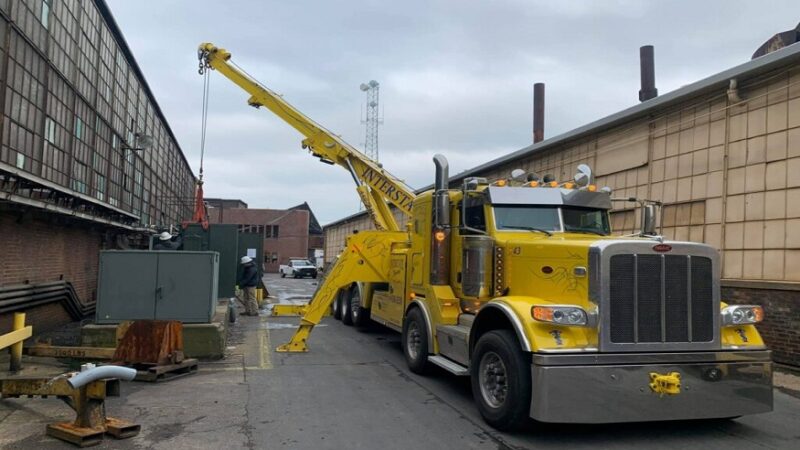
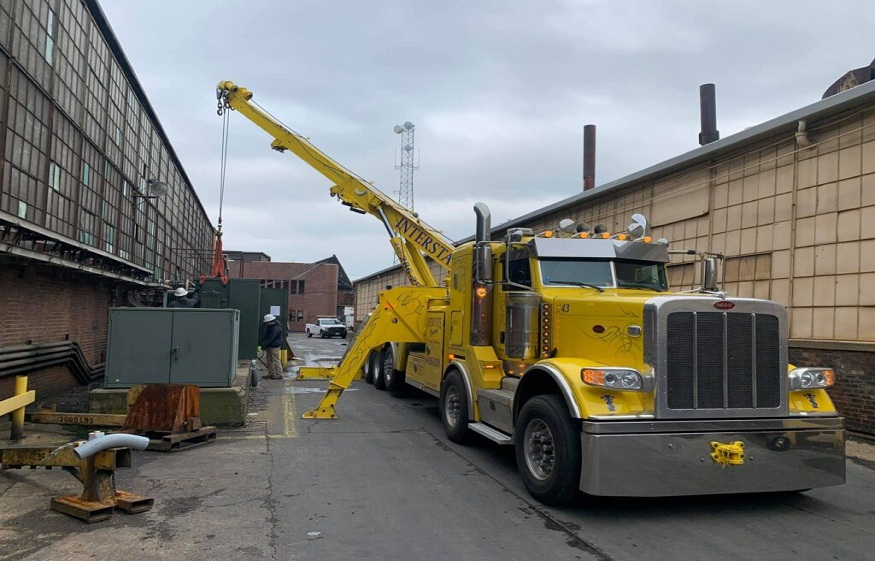
Protecting assets during transit is another major priority. Industrial equipment is expensive and often delicate. Incorrect handling can lead to repairs, unsafe conditions, or performance issues once installed. Working with experienced logistics providers and professional movers is one of the best ways to safeguard equipment and maintain the project schedule. These partners help refine transport routes, confirm regulatory compliance, and ensure proper packing and handling.
Time management is another area where companies commonly fall short. The process of reinstalling machinery and restarting production often takes longer than expected. Creating a realistic schedule that incorporates feedback from operations, logistics, engineering, and maintenance teams is key. Building strong contingency plans is equally important. Accounting for possible delays related to infrastructure, transportation, or staffing helps teams stay adaptable without losing momentum.
When organizations commit to clear planning, rely on experts when necessary, and prepare for unexpected challenges, factory relocations become far more efficient and less disruptive. Although the process is complex, with the right strategy it can support long-term improvements and open the door to future growth.
For more on this, check out the accompanying resource from Equip Trucking, a provider of heavy equipment moving services.